
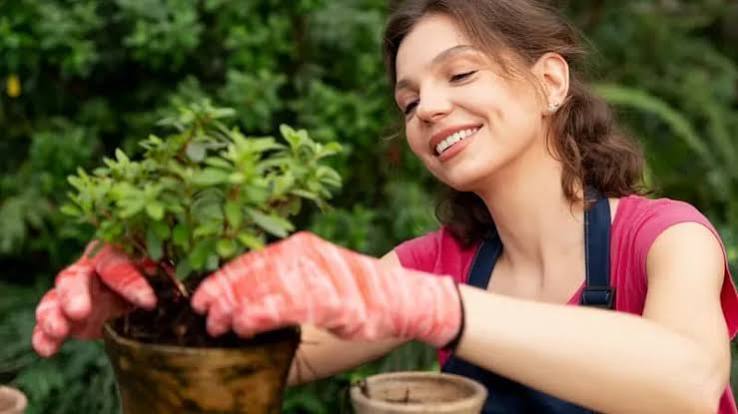
A beautiful garden is not created by spending hours working outside every day. In most home gardens, healthy plants are the result of consistent care rather than constant attention. A few simple tasks completed each week can help flowers, vegetables, herbs, shrubs, and ornamental plants stay strong throughout the growing season.
Many beginners assume that watering is the only important job, but healthy plants also depend on good soil, proper sunlight, regular inspections, and early action when small problems appear.
This guide introduces the GREEN WEEK Method, a practical weekly routine that helps keep garden plants healthy without making gardening feel overwhelming.
Why Weekly Garden Care Matters
Plants change gradually. A small yellow leaf today may become a larger problem next week if it goes unnoticed.
Weekly care helps you:
- Spot pests early
- Prevent diseases from spreading
- Keep soil in good condition
- Encourage healthy growth
- Reduce the need for major repairs later
Short, regular maintenance sessions are often more effective than waiting until the garden needs extensive work.
The GREEN WEEK Method
Use the GREEN WEEK Method to organize your gardening routine.
- G — Give Plants a Careful Inspection
- R — Remove Weeds Regularly
- E — Examine Soil Moisture
- E — Encourage Healthy Growth
- N — Notice Early Warning Signs
- W — Water Wisely
- E — Enrich the Soil When Needed
- E — Eliminate Dead Leaves and Flowers
- K — Keep Records of Plant Progress
1. Check Your Plants Carefully
Begin each week by walking through your garden.
Look for:
- Yellow leaves
- Brown spots
- Wilted stems
- Broken branches
- Insect damage
- Slow growth
Checking plants regularly allows you to notice changes before they become larger problems.
Spend a few minutes observing instead of immediately reaching for fertilizer or treatments.
2. Water According to the Plant’s Needs
Not every plant requires the same amount of water.
Before watering:
- Feel the soil with your finger.
- Check whether the top layer has started to dry.
- Look for signs of wilting or dry soil.
Water deeply rather than lightly whenever possible. Deep watering encourages stronger root growth compared with frequent shallow watering.
Morning is often a practical time to water because it allows leaves to dry during the day.
3. Remove Weeds Every Week
Weeds compete with garden plants for:
- Water
- Nutrients
- Sunlight
- Growing space
Pulling small weeds regularly is usually easier than removing large, established ones.
After rain or watering, weeds often come out more easily because the soil is softer.
4. Remove Dead or Damaged Growth
Dead flowers, damaged leaves, and broken stems can make plants look untidy and may reduce healthy growth.
Regular pruning helps plants direct energy toward healthy leaves, stems, and flowers.
Use clean pruning tools and remove only the parts that are dead or damaged unless the plant requires seasonal pruning.
5. Watch for Garden Pests
Many common garden pests can be managed more easily when discovered early.
Look underneath leaves for signs of:
- Aphids
- Caterpillars
- Whiteflies
- Spider mites
- Slugs or snails
Not every insect is harmful. Pollinators such as bees and butterflies play an important role in many gardens.
Learning to recognize beneficial insects helps you avoid unnecessary treatments.
6. Check for Signs of Plant Diseases
Plants may occasionally develop diseases caused by fungi, bacteria, or environmental conditions.
Watch for:
- Black spots
- Powdery coatings
- Yellowing leaves
- Soft stems
- Unusual leaf patterns
Removing affected plant material early may help reduce the spread of some problems.
If a disease continues to worsen, seek advice from a local gardening expert or agricultural extension service.
7. Refresh Mulch When Needed
Mulch helps:
- Reduce weed growth
- Hold moisture in the soil
- Moderate soil temperature
Organic mulch gradually breaks down over time.
Check whether mulch has become too thin and add a fresh layer if needed, keeping it slightly away from plant stems to reduce excess moisture around the base.
8. Feed Plants Carefully
Some plants benefit from additional nutrients during active growth.
Before applying fertilizer:
- Read the product instructions.
- Choose a product suitable for your plants.
- Avoid applying more than recommended.
Too much fertilizer can encourage excessive leaf growth or damage plant roots.
Healthy soil is often more important than frequent feeding.
9. Support Growing Plants
Tall vegetables and flowering plants sometimes need support as they grow.
Examples include:
- Tomatoes
- Peppers
- Climbing beans
- Certain flowering plants
Use stakes, cages, or trellises to help keep stems upright and reduce the risk of breakage.
Install supports early so roots are less likely to be disturbed later.
10. Clean Your Gardening Tools
Gardening tools collect soil, moisture, and plant material after each use.
Cleaning them regularly helps:
- Extend their lifespan
- Improve cutting performance
- Reduce the chance of spreading plant diseases
Dry tools thoroughly before storing them.
11. Observe Sunlight Changes
As seasons change, sunlight patterns can shift.
Some plants may begin receiving:
- More shade
- More afternoon sun
- Different light angles
If container plants are movable, consider adjusting their location to match their light needs.
12. Keep a Simple Garden Journal
Recording weekly observations can help you notice patterns over time.
You might note:
- Watering dates
- Flowering periods
- Pest sightings
- Fertilizer applications
- Weather conditions
A simple notebook or digital note can make future gardening decisions easier.
A Unique Perspective: Healthy Gardens Are Built Through Observation
Experienced gardeners often spend almost as much time observing as they do working.
Looking closely at leaves, soil, flowers, and stems helps identify small changes before they become serious issues.
A few minutes of careful observation each week can prevent hours of work later.
Instead of reacting to problems after they spread, regular observation allows you to care for plants proactively.
Weekly Garden Care Checklist
| Task | Suggested Frequency |
|---|---|
| Inspect plants | Weekly |
| Check soil moisture | Weekly or as needed |
| Remove weeds | Weekly |
| Remove dead leaves and flowers | Weekly |
| Look for pests | Weekly |
| Clean gardening tools | After use |
| Record observations | Weekly |
Common Garden Care Mistakes
Watering on a Fixed Schedule
Plants need water based on soil conditions and weather, not just the calendar.
Ignoring Early Warning Signs
Small spots or damaged leaves can become larger problems if left unchecked.
Applying Too Much Fertilizer
More fertilizer does not always produce healthier plants.
Forgetting to Weed Regularly
Small weeds are easier to remove than mature ones.
Neglecting Tool Maintenance
Clean tools make gardening easier and help protect plant health.
Frequently Asked Questions
How often should I check my garden?
A thorough inspection once a week is a good routine for most home gardens, with additional watering or care as needed.
Is it better to water every day?
Not necessarily. Many plants benefit from deeper, less frequent watering rather than light daily watering. Check the soil before watering.
Should I remove yellow leaves?
Yes, if they are dead or damaged. Removing unhealthy growth can improve the appearance of the plant and make it easier to monitor new growth.
Do all plants need fertilizer every week?
No. Fertilizer needs vary depending on the plant species, soil quality, and growing season. Follow product recommendations and avoid overfeeding.
How can I tell if my plant is unhealthy?
Common signs include wilting, yellow leaves, slow growth, spots on leaves, pest damage, or unusual discoloration.
Conclusion
Keeping garden plants healthy does not require complicated techniques or daily maintenance. A simple weekly routine can help you identify small problems early, support steady growth, and create a healthier outdoor space.
By following the GREEN WEEK Method, inspecting your plants, watering wisely, removing weeds, monitoring pests, and maintaining healthy soil, you can build a garden that stays productive and attractive throughout the growing season.
The best gardeners are not always the busiest—they are often the most observant. A few consistent minutes of care each week can make a lasting difference in the health of your plants.